
 Joseph Ward
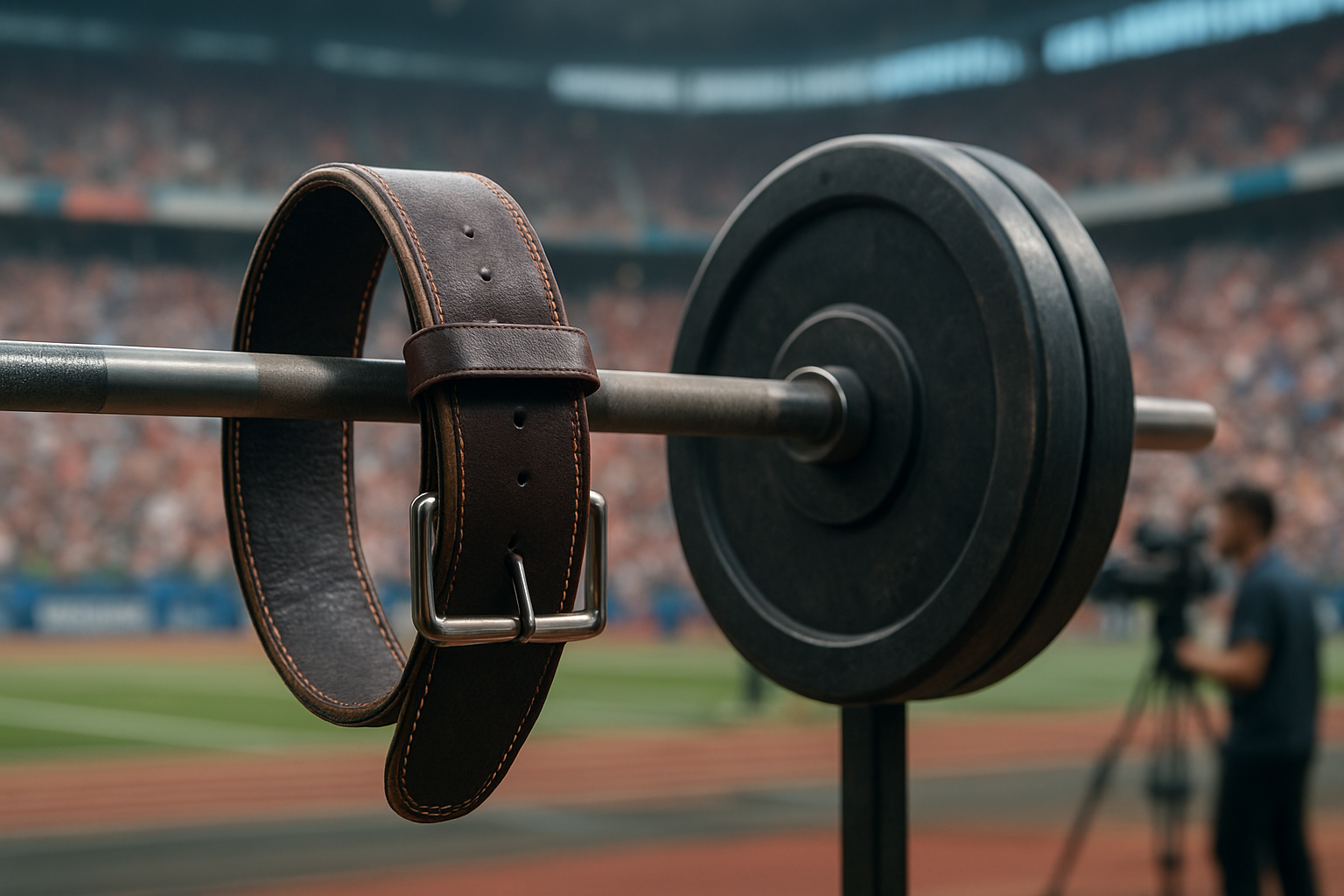
Strength training requires dedication, proper technique, and the right support equipment to improve performance safely. Heavy lifting movements place significant demand on the core and lower back, making stability an important part of every workout. A Lifting Belt can provide additional support during intense training sessions by helping lifters maintain better posture, improve confidence, and handle challenging exercises with greater control.
Why Is A Lifting Belt Important For Strength Training?
During heavy exercises, the core muscles play a major role in maintaining balance and stability. When the body is under pressure, a lifting belt can help create a supportive feeling around the midsection. This allows athletes to focus on their movements while keeping their body position more controlled.
A lifting belt is commonly used during strength-focused workouts because it provides extra assistance during demanding lifts. It does not replace proper training methods but works as a useful tool that supports correct technique and encourages safer lifting habits.
How Does A Lifting Belt Improve Performance?
One of the key benefits of a lifting belt is improved core support. When tightened correctly, the belt creates pressure around the abdominal area, which can help lifters feel more stable during heavy movements. This added stability may allow individuals to perform exercises with better confidence.
Many athletes use lifting belts when attempting challenging sets because the support can help them concentrate on generating power and maintaining proper form. A secure feeling around the waist can reduce unnecessary movement and help improve overall lifting efficiency.
What Features Should A Quality Lifting Belt Have?
Choosing the right lifting belt depends on comfort, training goals, and personal preference. A durable belt should provide reliable support while allowing enough flexibility for natural movement. The width and thickness should feel comfortable and match the type of exercises being performed.
A strong fastening system is also important because it helps keep the belt securely positioned throughout a workout. Comfortable materials and proper sizing can make a significant difference, especially during long training sessions where consistent support is needed.
Can A Lifting Belt Be Used For Different Exercises?
A lifting belt can be useful for many strength training movements that place high demand on the core and lower body. Exercises involving heavy loads often require strong stability, and a belt can provide additional support during these activities.
Both experienced lifters and individuals developing their strength may benefit from using a lifting belt at the right time. It is important to understand that the belt should support good training habits rather than encourage lifting beyond personal ability. Gradual progress and proper form remain essential for long-term improvement.
How Should A Lifting Belt Be Used Correctly?
Using a lifting belt properly is important to receive the maximum benefit. The belt should be positioned comfortably around the waist and adjusted according to the exercise being performed. It should feel supportive without creating discomfort or restricting natural breathing.
A lifting belt is generally most useful during heavier sets where additional stability is needed. For lighter exercises, allowing the core muscles to work naturally can also be an important part of balanced training.
How Can You Maintain A Lifting Belt For Long-Term Use?
Proper care helps keep a lifting belt in good condition for extended use. After workouts, storing the belt in a dry place and keeping it clean can help maintain its quality. Regularly checking the material and fastening system can also ensure that it continues to provide dependable support.
Avoiding unnecessary bending or rough handling can help preserve the belt’s shape and strength. With proper maintenance, a quality lifting belt can remain a reliable part of a training routine.
Why Is A Lifting Belt A Valuable Training Accessory?
A lifting belt offers a combination of support, stability, and confidence for people involved in strength training and powerlifting. It helps create a more secure lifting experience while allowing athletes to focus on improving their performance.
Building strength requires patience, consistency, and proper equipment choices. A lifting belt can become an important training accessory by providing additional support during demanding workouts. When used correctly with proper techniques, it can help athletes continue progressing toward their fitness goals with greater confidence and control.