 Terry Richardson
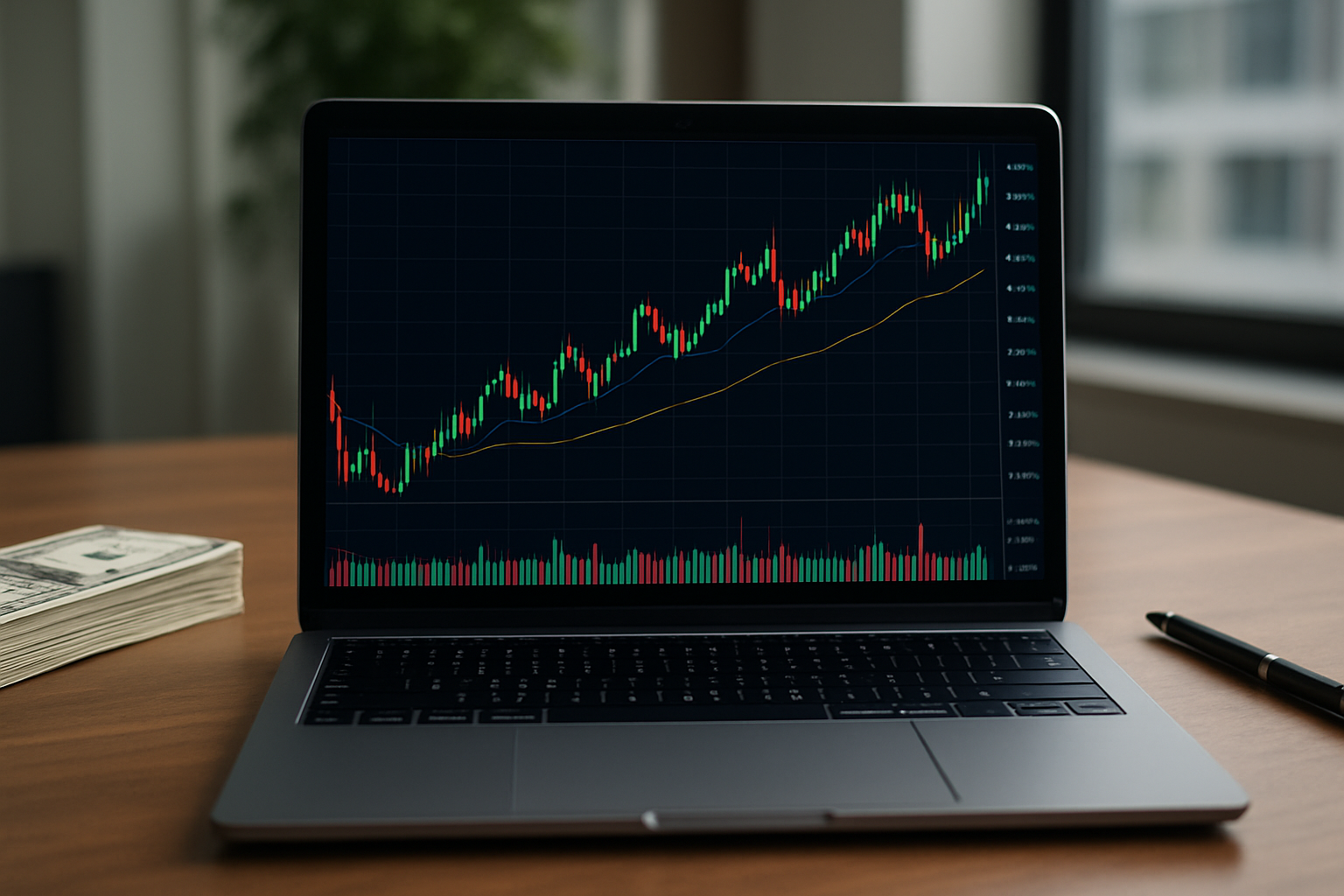
Choosing a suitable trading environment requires attention to platform functionality, available markets, analytical tools, and overall usability. Traders often look for a workspace that makes it easier to monitor prices, study market movements, and manage positions in an organized manner. In this TradingSphere Review, the focus is on the types of platforms, markets, and key features that can contribute to a practical online trading experience.
Table of Contents
- Trading Platform Experience
- Range of Markets
- Charting and Analysis Features
- Order Management
- Risk Management
- Ease of Learning
- Overall Considerations
- Conclusion
Trading Platform Experience
A trading platform acts as the central workspace for market participation. Traders may use it to view prices, examine charts, create watchlists, place orders, and monitor open positions.
A useful platform should present information in a clear and organized manner. When frequently used tools are easy to access, traders can spend more time analyzing markets instead of navigating complicated menus.
Customization can also improve the experience. Traders may prefer different chart layouts, timeframes, and information panels depending on their individual methods. A flexible workspace can accommodate these preferences and support a more consistent daily routine.
Range of Markets
Access to multiple financial markets can provide traders with a broader range of instruments to study. Depending on the available selection, users may explore currency pairs, commodities, indices, shares, and other financial products.
Different markets respond to different economic and market conditions. Currency prices may be influenced by monetary developments, while commodities can respond to supply, demand, and global events. Understanding these differences is important before selecting an instrument for analysis.
Having several markets available can also encourage traders to compare price movements. However, diversification does not remove risk, and every instrument should be evaluated carefully.
Charting and Analysis Features
Charting tools are essential for traders who use technical analysis. Price charts can help users examine historical movements, identify trends, and observe potential support and resistance areas.
Different timeframes provide different perspectives. Short-term charts may highlight immediate price changes, while longer timeframes can help traders understand broader market direction.
Technical indicators can provide additional information about momentum, volatility, and trends. Traders may combine indicators with price-action observations to develop their own analytical process. However, technical tools cannot guarantee future market movements.
Order Management
Order management is another important part of a trading platform. Users may need to open positions, modify orders, monitor active trades, and close positions according to their plans.
Different order types can be useful for different trading situations. Understanding how each order works can help traders establish clearer entry and exit conditions.
Market volatility can affect execution, so users should understand the relationship between their chosen order type and current market conditions. Planning trades in advance can also reduce impulsive decisions.
Risk Management
A platform may provide useful trading functions, but responsible risk management remains essential. Financial markets can change quickly, and losses can occur when positions move against expectations.
Traders should understand leverage, margin, position sizing, and potential losses before entering a position. Setting appropriate risk limits can help maintain greater control over trading activity.
Keeping a record of trades can also support improvement. Reviewing previous decisions allows traders to identify patterns in their behavior and evaluate whether their strategies are being applied consistently.
Ease of Learning
A trading environment can contain many features, and new users may need time to understand them. Learning how charts, indicators, watchlists, orders, and account information work can make the overall experience more manageable.
Practice and continuous education can help users become more comfortable with the available tools. Traders should also recognize that market knowledge is just as important as technical platform knowledge.
Overall Considerations
A balanced trading experience depends on more than the number of available features. Usability, market access, analytical capabilities, order management, customization, and risk controls all contribute to how effectively traders can organize their activities.
Users should consider their own trading objectives and level of experience when evaluating any platform. Features that are useful for one trading approach may not be equally important for another.
Conclusion
TradingSphere presents a trading environment that can be considered through its platforms, market access, analytical tools, and practical trading features. Charting capabilities, customizable workspaces, market monitoring, and order-management functions can help traders develop an organized approach to financial markets.
At the same time, platform features cannot guarantee trading success. Knowledge, preparation, discipline, and careful risk management remain essential. By understanding available tools and selecting features that match their individual needs, traders can create a more structured and informed approach to online trading.