 Terry Richardson

Cybersecurity is evolving as organizations face increasingly sophisticated threats, expanding digital environments, remote workforces, and growing dependence on cloud-based infrastructure and connected technologies. For security professionals, a Zero Trust Architecture exhibition offers opportunities to learn about emerging approaches to identity protection, access management, threat detection, network security, and data protection. Modern cybersecurity increasingly moves beyond traditional perimeter-based defenses by continuously evaluating users, devices, applications, and access requests.
Organizations are also adopting technologies such as artificial intelligence, endpoint detection, security analytics, multifactor authentication, and automated response capabilities to strengthen their security posture. Understanding how these solutions work together can help businesses develop more resilient security strategies. Industry events and technology-focused exhibitions can further support knowledge exchange by bringing security leaders, technology specialists, and solution providers together to discuss evolving risks and practical approaches to cyber defense.
Key Elements Shaping Modern Cybersecurity Strategies
Effective cybersecurity requires multiple layers of protection that address identity, devices, networks, applications, data, and user behavior across increasingly distributed digital environments.
1. Continuous Identity Verification
Modern security strategies increasingly treat identity as a central security boundary. Instead of automatically trusting users after initial authentication, organizations can continuously evaluate identity, device status, location, access context, and user behavior. This approach can reduce opportunities for unauthorized access and limit the impact of compromised credentials.
2. Multifactor Authentication
Passwords alone may provide limited protection against credential theft and phishing. Multifactor authentication adds additional verification requirements, such as authentication applications, security keys, or biometric methods. Stronger authentication controls can make unauthorized account access more difficult, especially when employees access business systems across multiple devices and locations.
3. Endpoint Protection
Laptops, smartphones, servers, and other connected devices can become entry points for cyber threats. Endpoint security solutions can monitor device activity, detect suspicious behavior, and support rapid response to potential incidents. Regular patching, configuration management, and endpoint visibility can further strengthen protection across distributed environments.
4. Network Segmentation
Network segmentation can limit attacker movement after an initial compromise. By separating systems, applications, users, and sensitive resources into controlled environments, organizations can restrict unnecessary communication between network segments. This approach can reduce the potential impact of security incidents and provide greater control over access to critical infrastructure.
5. Security Monitoring
Continuous monitoring helps organizations identify unusual activity that may indicate a cyber incident. Security information and event management platforms, endpoint telemetry, network analytics, and threat intelligence can provide useful visibility. Combining these sources can help security teams identify patterns and investigate suspicious activity more efficiently.
Zero Trust Principles for Distributed Digital Environments
Zero Trust is based on the principle that access should not be automatically trusted simply because a user or device is inside a traditional network boundary. Every access request can be evaluated according to identity, device health, application, resource sensitivity, and context.
A practical Zero Trust strategy can involve several interconnected controls. Identity management establishes who is requesting access, while authentication confirms that identity. Authorization determines what resources the user should access, and continuous monitoring can identify changes in risk. For organizations exploring a Zero Trust Architecture exhibition, these principles provide useful context for understanding modern access-control strategies. This model is particularly relevant as businesses adopt cloud applications, remote work, mobile devices, and third-party services across increasingly distributed environments.
Technology Areas Supporting Stronger Cyber Defense
Modern cybersecurity solutions cover a broad range of technologies designed to identify threats, protect assets, and support faster responses.
1. Identity and Access Management
Identity and access management systems can help organizations control who can access specific applications, systems, and data. Role-based access, privileged account management, multifactor authentication, and automated access reviews can support stronger governance while reducing unnecessary permissions.
2. Cloud Security
Cloud environments introduce different security considerations because infrastructure, applications, and data may be distributed across multiple platforms. Cloud security tools can provide visibility into configurations, workloads, identities, and data while helping organizations identify weaknesses and enforce appropriate security policies.
3. Artificial Intelligence and Analytics
AI and advanced analytics can help security teams identify unusual patterns across large volumes of security data. These technologies can support anomaly detection, alert prioritization, threat classification, and automated investigation. Human oversight remains important because automated systems can generate inaccurate or incomplete assessments.
4. Data Protection
Sensitive business and customer information requires protection throughout its lifecycle. Encryption, access controls, data loss prevention, backup procedures, and information classification can help reduce the likelihood and impact of unauthorized data exposure. Security strategies should consider both stored data and information moving between systems.
5. Application Security
Applications can contain vulnerabilities that attackers may exploit to gain access to systems or data. Secure development practices, vulnerability testing, code analysis, penetration testing, and ongoing patch management can help identify and address weaknesses before they become significant security problems.
Evaluating Cybersecurity Solutions for Business Needs
Organizations should assess cybersecurity solutions based on infrastructure, risk exposure, compliance needs, workforce structure, and operational priorities. Integration with existing identity systems, endpoints, cloud platforms, networks, and monitoring tools is equally important. Poor integration can create fragmented visibility and increase administrative workloads. Businesses should also consider scalability, usability, implementation requirements, technical support, and overall ownership costs. A suitable security solution should strengthen protection while remaining practical for employees and security teams to manage effectively.
The Role of Industry Events in Cybersecurity Awareness
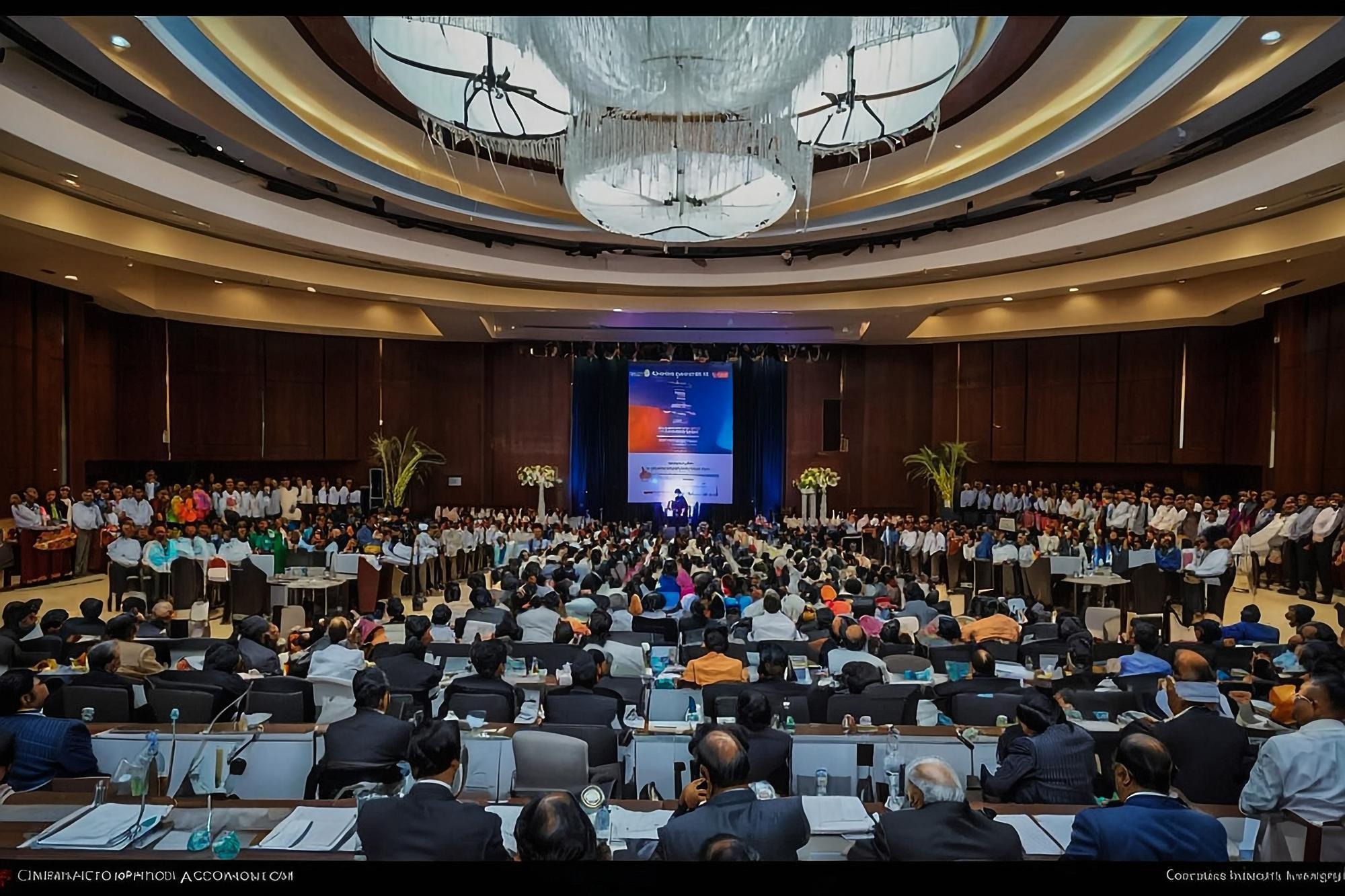
Cybersecurity events provide professionals with opportunities to explore emerging threats, technologies, and security strategies. Presentations, demonstrations, panel discussions, and networking sessions can offer practical perspectives on addressing evolving challenges. Specialized exhibitions may also help attendees compare solutions for identity protection, endpoint security, cloud environments, data protection, and threat response. Connecting with security professionals and technology providers can encourage knowledge exchange and help organizations remain informed about changing risks, defensive approaches, and developments across the cybersecurity landscape.
Conclusion
Modern cybersecurity requires layered protection across identity, devices, networks, applications, cloud environments, and data. Zero Trust principles can strengthen this approach by continuously evaluating access rather than relying solely on traditional network boundaries.
For professionals looking to connect with Cybersecurity vendors in Philippines, the PhilSec Summit provides an industry-focused environment for exploring cybersecurity technologies, exchanging knowledge, and connecting with professionals and solution providers. Such industry engagement can help organizations understand emerging security approaches and evaluate technologies relevant to their specific requirements. A combination of appropriate technology, effective policies, employee awareness, continuous monitoring, and regular assessment remains essential for building a more resilient cybersecurity environment.